
Unraveling the truth Common myths about gambling you need to ignore
The Myth of Skill Over Luck
Many individuals believe that gambling is solely a game of skill, leading them to think they can consistently win through strategy. While skill plays a role in certain games, such as poker or blackjack, the outcome in most gambling scenarios is largely influenced by luck. Even the most skilled players can experience significant losses due to unpredictable variables. For instance, those looking for slots for real money should keep in mind that understanding this balance between skill and luck is crucial for responsible gambling.
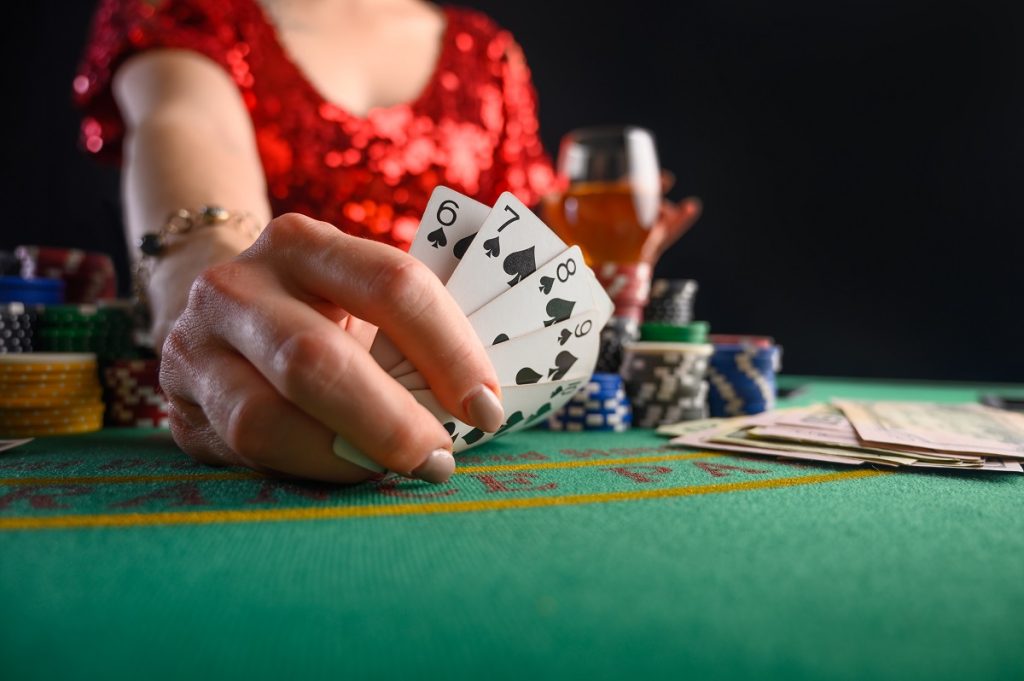
This misconception can lead to dangerous behaviors. Players may invest excessive time and money into honing their skills, believing they are destined to win. In reality, the odds are structured to favor the house, and even the best strategies cannot guarantee consistent success. Recognizing the role of chance can help gamblers set realistic expectations and practice responsible gaming habits.
Gambling is Always a Financial Loss
Another prevalent myth is that gambling is synonymous with financial ruin. While it’s true that many people lose money while gambling, there are also numerous individuals who enjoy gambling recreationally and come away with winnings. The key lies in how one approaches gambling; treating it as entertainment rather than a means to make money can transform the experience.
Many gamblers view their losses as part of the entertainment cost. Just like dining out or attending a concert, losing money at the casino can be seen as part of enjoying a night out. A balanced view encourages players to set budgets and only wager what they can afford to lose, thereby reducing the perceived financial burden of gambling.
The Illusion of “Hot” and “Cold” Streaks
Some players believe in the notion of “hot” and “cold” streaks, assuming that if a slot machine or table game has not paid out recently, it is due for a win. This belief can lead to irrational betting behavior, as individuals may chase losses based on faulty logic. In reality, each spin of a slot machine or deal of cards is independent, and past outcomes do not affect future results.
Understanding that each outcome is random can help players avoid the pitfalls of superstitious thinking. Recognizing the randomness inherent in gambling can lead to a more informed and enjoyable gaming experience. This knowledge fosters a healthier relationship with gambling, reducing the likelihood of chasing losses or making impulsive decisions.
Gambling Only Affects the Addicted
It is a common misconception that only individuals who develop gambling addiction are affected by the activity. In reality, gambling can have far-reaching consequences on friends, families, and communities. Understanding that gambling impacts not only the individual gambler but also their social circles is essential for fostering awareness and support.
Encouraging open conversations about the potential risks and effects of gambling can help create a more informed society. This awareness can lead to preventive measures and support networks for those struggling, as well as their loved ones. Addressing the broader implications of gambling is crucial in mitigating its negative effects.

Understanding Responsible Gambling Resources
While gambling can be a fun and entertaining pastime, it is essential to recognize the importance of responsible gaming. Websites dedicated to raising awareness about gambling addiction provide valuable resources and information. These platforms can help educate players about the risks associated with gambling and promote healthy habits.
Additionally, these resources often offer support for those who may be struggling with gambling-related issues. By fostering an environment where responsible gambling is prioritized, we can help individuals enjoy gaming while minimizing potential harms. Understanding that help is available encourages players to seek assistance if they find themselves facing challenges.